

It took a while for me to get this post up because I knew this would probably ruffle some feathers. But, we need to talk about it. I am seeing a crazy lack of education in our stylist community. Sometimes simple research will answer your questions. Even just asking the question can help some of us. We have to stop being afraid to speak up.
So, today I am doing that and we are going to talk about traction alopecia. Collectively we all play a part in how traction alopecia comes to. From the at home maintenance and styling to even the beauticians in the salons.
The end goal should be to come together to reverse the condition, because it can be reversed. But first we have to acknowledge that we all play a role.
What is Traction Alopecia
Traction Alopecia is a temporary hair loss disorder that is caused by the constant pulling of a person’s hair. One sign of traction alopecia will be that your hairline starts to thin.
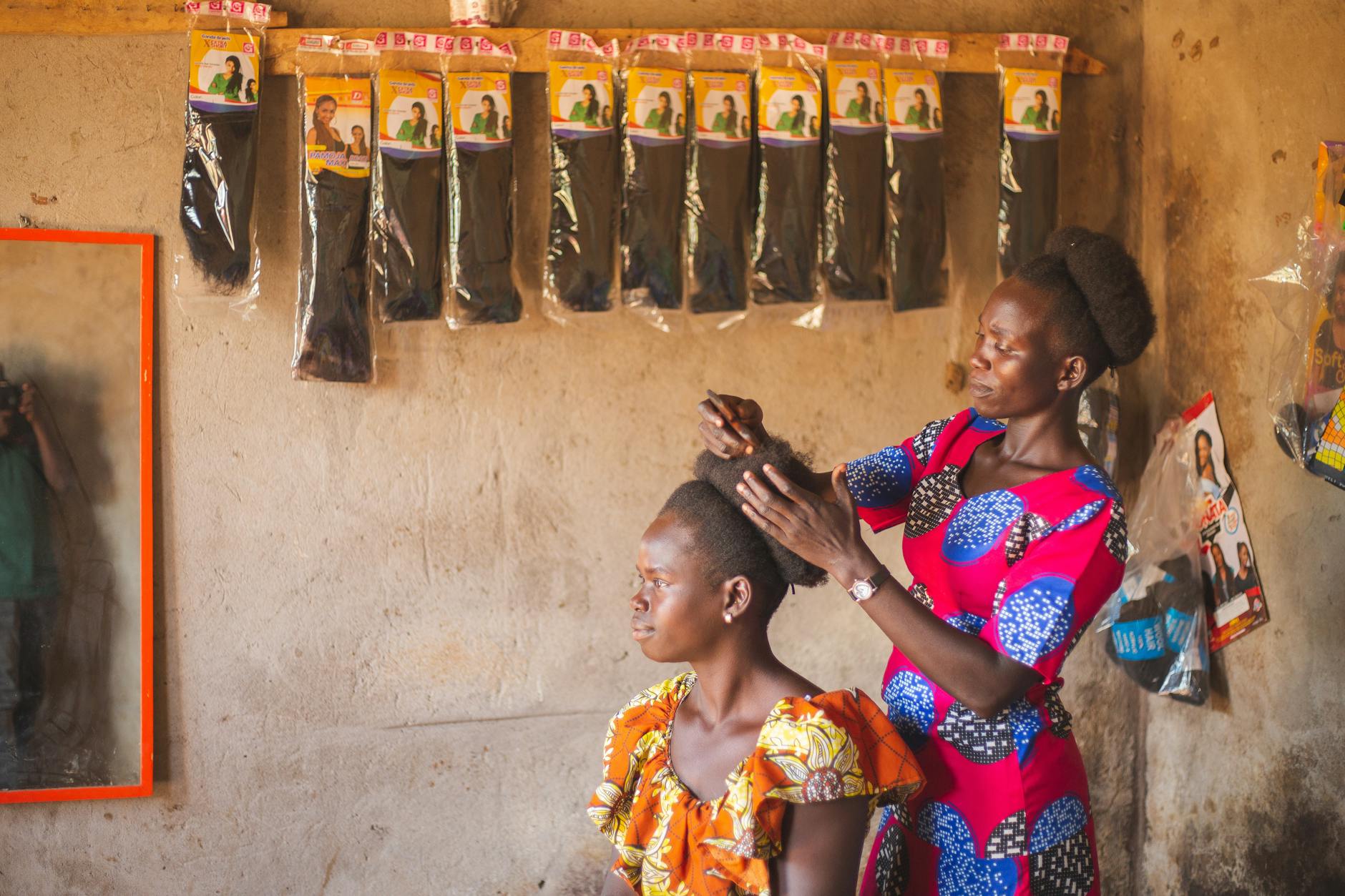
As a beautician you want to be mindful of how tight you are pulling someone’s hair. If you see a client’s hair is thinning, educate them. Help them find a more protective route for their hair. This is where you and the client sit down and create a hair treatment plan.
We have to start prioritizing hair health over money!
As a client if you see that your hair is thinning, speak up to your beautician. Or take the route to look for help from a dermatologist. A dermatologist can pin point exactly what’s wrong and put you on a regimen to fix the issue.
Also if you are a person who doesn’t go to the salon for any reason. More than likely the way you are styling your hair can be the issue.
Remember traction alopecia comes from the constant pulling of your hair. Below is a list of styles that can lead to traction alopecia.
Hairstyles that lead to Traction Alopecia
- Buns
- Ponytails
- Braids and Locs
- Weaves and Extensions
Basically all and any tightly pulled up-dos!
With braids, extensions, and weaves as your hair grows, it applies extra weight on the new growth. This can also lead to the thinning in your hair. It is extremely important to only leave hairstyles up for the recommended time frame. And beauticians you need to know approximately how long a hairstyle should last.
Prevention Techniques
There are some simple and easy ways to prevent traction alopecia.
- You can avoid the hairstyles altogether. The best recommendation that I can give you is to cut out the tight hairstyles for awhile. Allow your hair the time to get its strength back.
- Change up hairstyles on the regular. Have you ever heard someone say “she has a new hairstyle every day or week?” You need to be that person! Plus, okay money!
- If you experience any style that is uncomfortable. If your head hurts or turns red, take it down. If you see bumps anywhere that wasn’t there before, take it down. If you are just purely uncomfortable, TAKE IT DOWN! It is not worth the risk and your edges will thank you.
Be mindful of the hairstyles you are wearing. Check if they are too tight. Pay attention to what you wear on your head, like hats and scarves. They can also cause traction alopecia (reason why bonnets are important).
Conclusion
Although I am a licensed cosmetologist, I consider myself a professional braider. I am a professional braider who prioritizes healthy hair over everything. Please don’t risk your hair health for a cute hairstyle if it is causing pain. Please take your braids down before 8 weeks.
If you feel like you tried everything, call a dermatologist. They can help!
Follow Us @prettyandtextured on TikTok
Leave a Reply