Winter is my favorite season! Mainly because it gives me a reason to wear my oversize hoodie and my favorite sweaters. It also gives me a reason to really just throw on a hat and go. Winter is just cozy to me. For my hair on the other hand, not so much.
During the winter time our hair tends to dry out and become brittle. When you are first learning to love your curls this can be frustrating. Especially, if it’s your first winter with your natural hair. Don’t worry though, I got you. We are going to get through this together. But first let’s talk about the mistakes most naturalists make during the winter time.
1. Not Moisturizing.
Not moisturizing enough is the main mistake I see clients make. Making sure your hair stays moisturized helps to keep your hair from breaking off. If you have not started utilizing the L.O.C. Method, start. This method helps you LOCK moisture into your hair.
2. Not Protecting Your Hair.
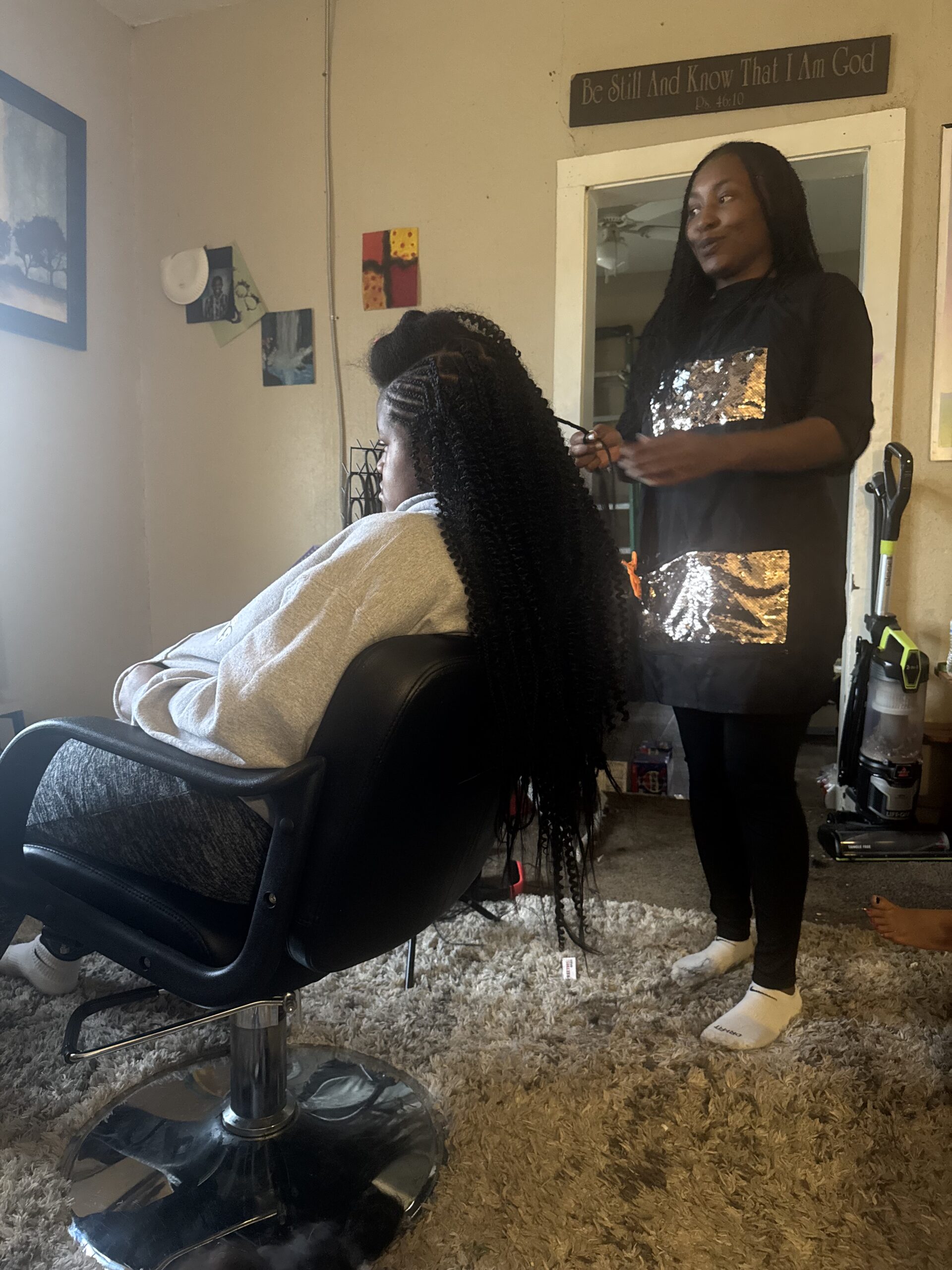
Not protecting your hair during any time is a no-no in my book. You should already be incorporating protective styles into your routine. And you should definitely be protecting your hair at night. When it comes to your protective styles try to wear twist-outs or even braids. When it comes to what you do at night, you need to create a routine. You also need to make sure that you are wearing a silk or satin bonnet to sleep and that you have a silk or satin pillowcase.
3. Excessive Heat Use.
This is another no-no in my book no matter what. I know that because it is winter and silk presses last longer, most people tend to go over board. You don’t want to overly use heat tools on your hair anytime. This causes damage. Opt for using your heat tools and then wrapping your hair at night to make your silk press last without applying additional heat.
4. Wearing Protective Styles Too Long.
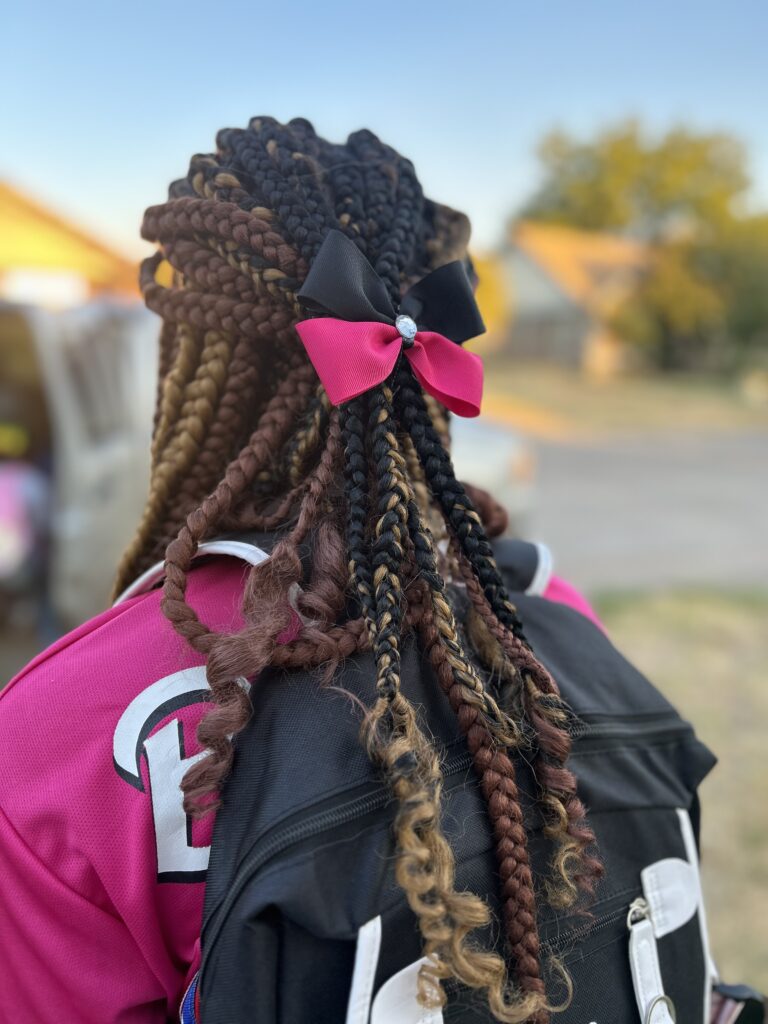
When you put your hair up in a protective style there are usually unspoken rules of how long it should stay up. Honestly I always tell my clients to leave their hair up for a minimum of 4 weeks and a maximum of 8 weeks. Leaving your style up too long can sometimes cause issues like matting.
5. Using the wrong products.
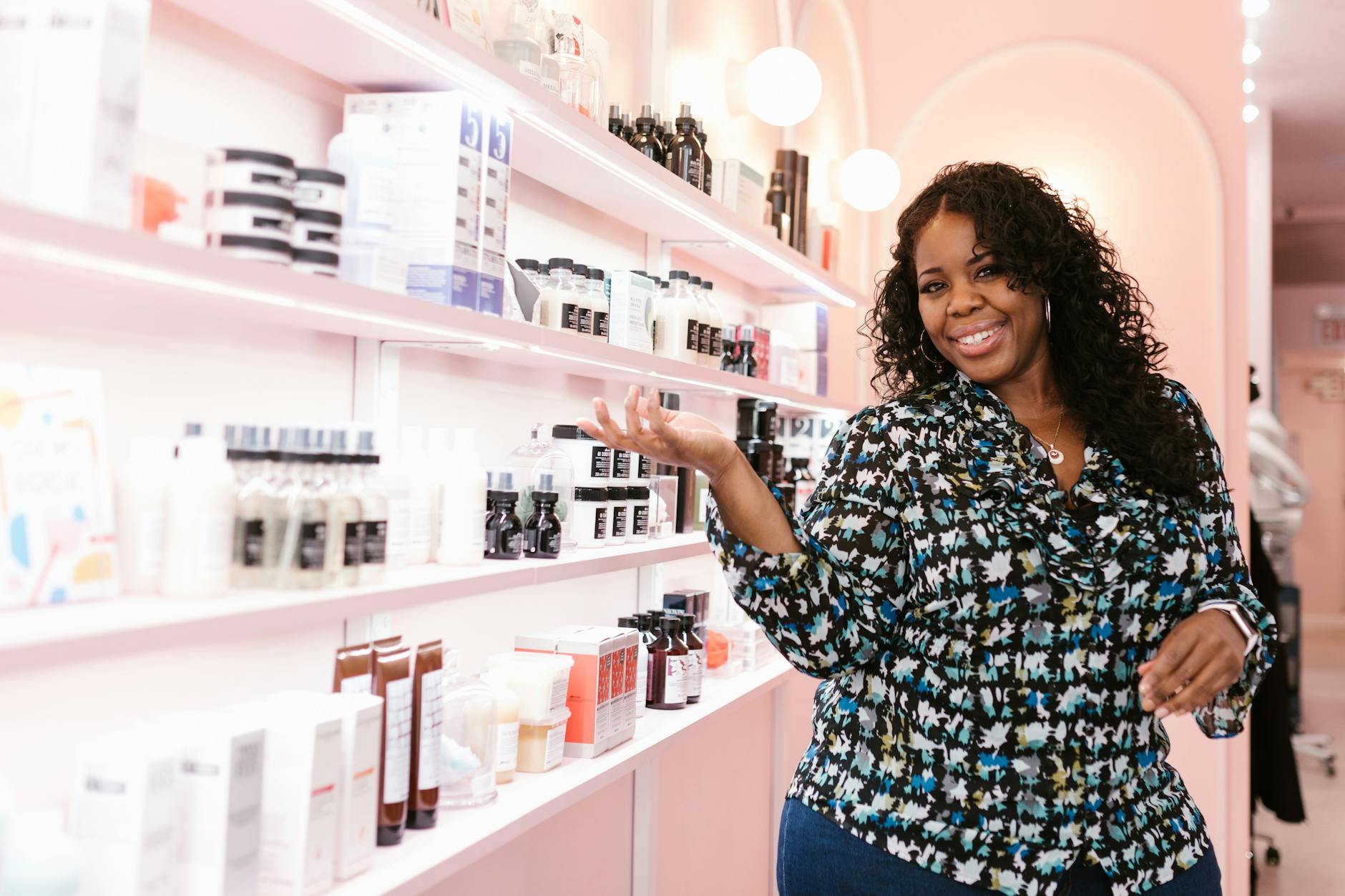
The products you use is everything. Using the wrong type of products for what your hair needs is not good. You want to make sure you are listening to your hair and watching how it responds to the products you are using. Remember your products should change depending on the style you are wearing and the needs of your hair. If your hair is dry use heavy moisturizing products.
In my opinion the winter time should be when your hair flourishes. For me this is the time that I try to make sure that I am only wearing protective styles. I make sure that I am moisturizing and a rule of mine is if I ask myself “Have I conditioned my hair this week?” Then that means I probably didn’t and need to.
Ultimately you will be and are your hair’s biggest enemy. You set the environment for your hair to thrive. Yes, the weather and the elements play apart in your hair’s health, but so does the food you eat and the products you use.
Winter Fixes: Things you can do for better hair health
- Water In-take. Drink more water. You should be drinking water everyday.
- Deep Condition. Deep condition your hair weekly. In the winter I recommend doing this twice a week, but please do what you feel is best for your hair.
- Silk or Satin. Use silk or satin hats to protect your hair when out in the cold. Sleep on a silk or satin pillow case. Wear a silk or satin bonnet. Invest in silk or satin hair ties for ponytails, braids, etc.
- Protective Styles. Wear protective hairstyles. Remember do not wear them too long.
- Products. Now I say that because winter is drying you should go for heavier butters and oils. But it all depends on your hair. Just make sure you are using the correct products for your hair needs.
You Define Your Curls!
Follow us on TikTok @prettyandtextured
We share BTS, Tips, and now TUTORIALS!
Share your hair care journey stories in the comments.